
It’s important to know what the buildings you write about are made of, particularly when you’re trying to set up a believable and interesting world.
So what are buildings made of?
Masonry
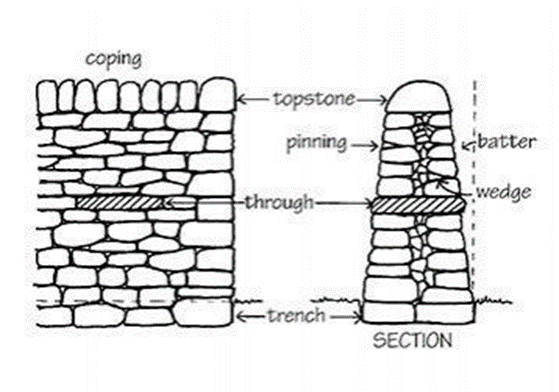
- Dry stone – ( https://www.conservationhandbooks.com/dry-stone-walling/ )
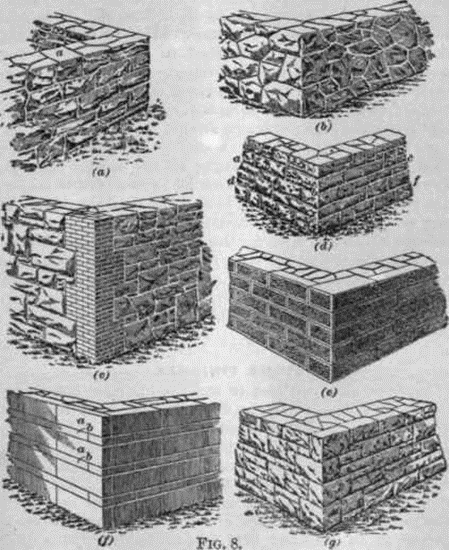
- Ashlar – cut stone, often set in mortar ( https://chestofbooks.com/architecture/Building-Trades-Pocketbook/Classes-Of-Stone-Masonry.html )
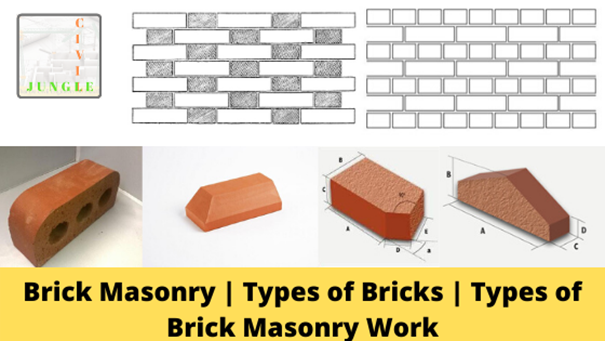
- Brick and mortar – ( https://civiljungle.com/brick-masonry/ )
Timber
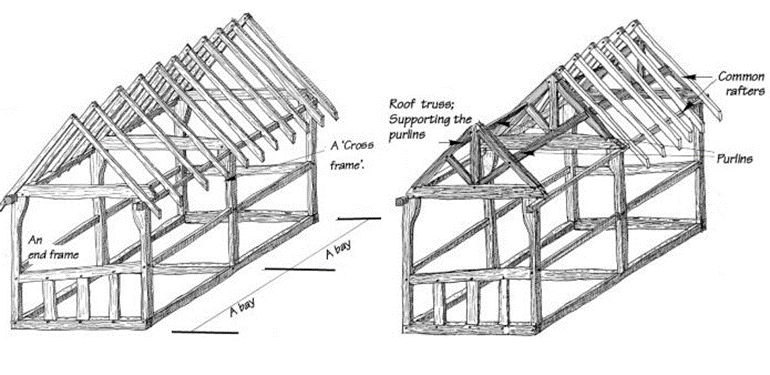
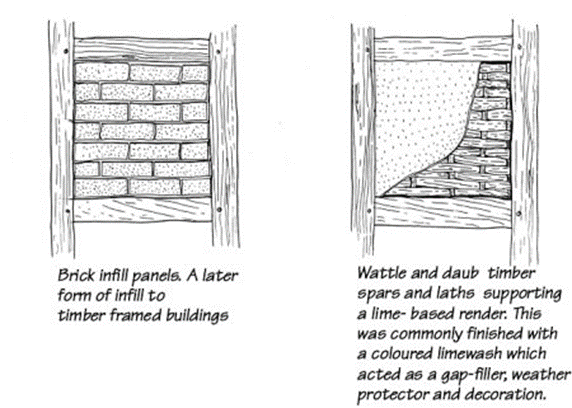
- Timber framing – ( https://fet.uwe.ac.uk/conweb/house_ages/timber/print.htm )
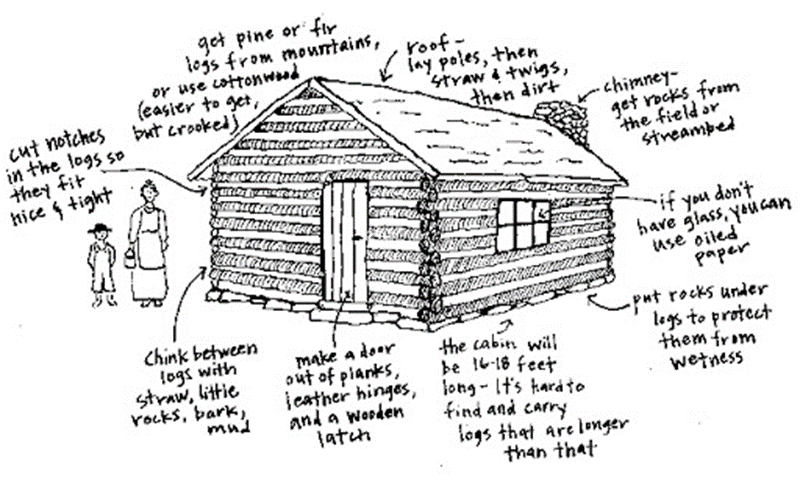
- Log cabins – ( https://www.notesfromthefrontier.com/post/how-log-cabins-were-built )
Concrete
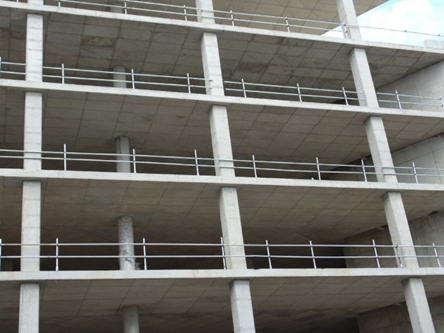
- Reinforced concrete – internal steel beam frame, covered in concrete
( https://www.icevirtuallibrary.com/page/ice-news/200-essential-concrete )
Other Resources:
Illustrated Glossaries:
http://www.dbrg.org.uk/glossary
https://www.vernacularbuildingglossary.org.uk/
http://www.buildingarchaeology.com/wp-content/uploads/2020/05/BARD-Illustrated-Glossary.pdf
General knowledge and topics for discussion:
https://www.designingbuildings.co.uk/wiki/Conservation_wiki
The websites above and below are also good resources to explore more fully.
Hopefully these resources will increase your arsenal of descriptive tools, enriching the worlds you create in your stories. However, tools are always their most useful when deployed properly. Physical descriptions are always most effective when they are used to serve the characters, the emotional arc, and the plot.
Activity 1:
Choose some of the terms above and assign an emotion(s), feelings, or impressions that are inspired by those terms. Spend 5 minutes, filling in as much as you can. Don’t overthink it. I have provided some examples:
| Terms | Emotions – Feelings – Impressions | |
| Building stones | ||
| Sandstone | Soft, fleeting | |
| Limestone | ||
| Granite | Cold, unyielding | |
| Marble | ||
| Slate | ||
| Masonry components | ||
| Brick | ||
| Mortar | Sacrificial, sensitive, steadfast | |
| Concrete | Modern, brittle | |
| Cement | ||
| Other materials | ||
| Timber | Eternal, solid support, skeletal | |
| Plaster | ||
| Render | ||
| Thatch | ||
| Other elements | ||
| Hearth | ||
| Gable | ||
| Cladding, a.k.a. siding | ||
| Courtyard | ||
| Cruck | ||
| Pargetting | ||
Activity 2:
Building on Activity 1, take the strongest emotions/feelings/impressions that you were able to define in the above list and write a scene of a character walking into a room. How does your character react to the things the he or she sees in the space? What details does he or she latch onto? What does that say about the character? Try to make sure your description of the space reveals the feelings that you attach to the elements that you choose to include. Spend 10 minutes on this.
Activity 3:
Building on Activity 2, what does your character do now the he or she is in the room? Think about how the details that you described in Activity 2 relate to what is happening in the space. Was all of that detail actually necessary? Would you describe it differently now? Spend 10 minutes on this.
Jenn Murg – April 2023
 Huddersfield Authors Circle
Leave a comment