
An incantation is a spell, a charm, an enchantment, or a bewitchery. It is a magical formula intended to trigger an effect on a person or objects, or summon an entity to do the bidding of the enchanter.
‘Words of incantation are often spoken with inflection and emphasis on the words being said. The tone and rhyme of how the words are spoken and the placement of words used in the formula may differ depending on the desired outcome of the magical effect,’ (Conley 2008).
If we were to look back at the origins of incantation we would find that the word itself comes from the Latin ‘incantere’ – ‘to consecrate with spells, to charm, to bewitch, to encorcell, also connected with ‘enchant.’
They have been used in rituals to burn one’s enemies, or to influence the actions of another person, for example to bend them to the enchanter’s will.
They can represent a very earnest response to life’s struggles and strife. In the ancient Middle East, particularly Egypt and Mesopotamia, the initial purpose of magic and sorcery was to commune with gods and spirits to have them change the fate of human life and fortune.
——————————————————————————————–
The concept of a precise selection of words used to alter reality is an idea that prevails to this day, although not necessarily in any supernatural way. Though we rarely see sorcery performed out in the open nowadays, it could be argued that the incantation has transformed to serve other purposes, including: Yoga mantra, ‘Om Mani Padme Hum,’ Political oratory, ‘Education, education, education,’ or a comforting cliché, ‘Que Sera, Sera.’ Words can draw from ancient languages like Latin (‘Wingardium Leviosa’) or be simply phonetically pleasing nonsense (‘Bibbidi-Bobbidi-Boo’, ‘Abracadabra’ etc).
——————————————————————————————–
For magical words to have any effect, a spell recipe is also required, often featuring flora, fauna, candles, sigils and physical representations of a person or desired outcome.
Examples of sigils:
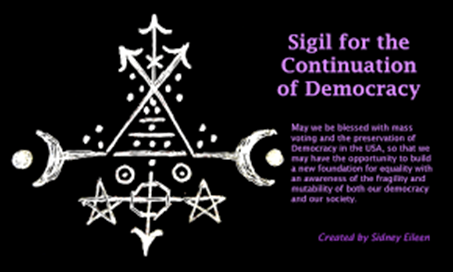
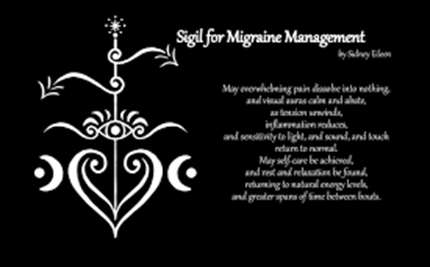


In any case, it can’t be denied that we can tell a spell when we hear one.
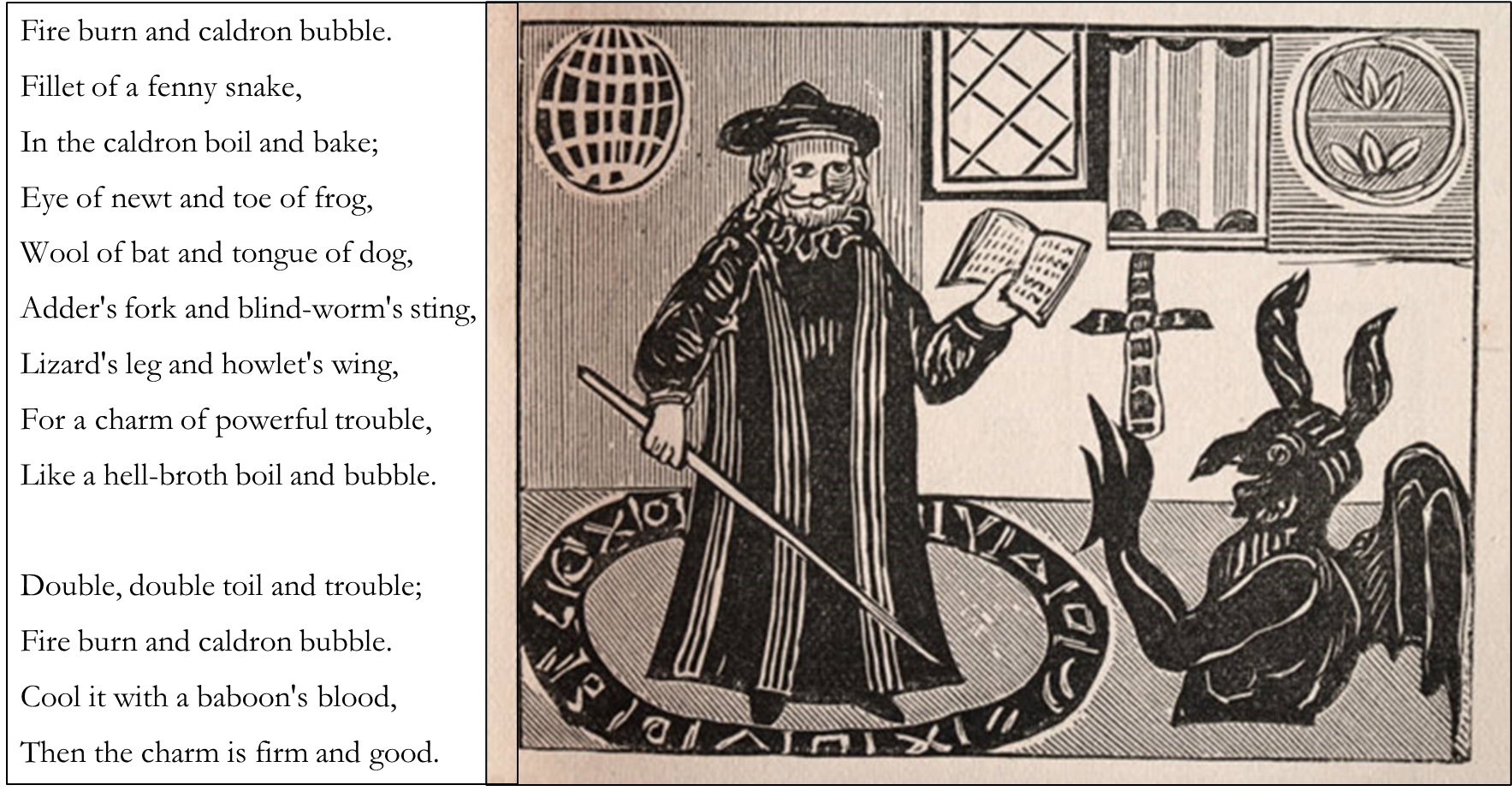
Macbeth Act IV, Scene I
The Workshop
Warm up Activity
- Write a list of words that appeal to you for their rhythm; Try not to overthink it, just get as many down as you can. Take five minutes.
- Turn these words into lines of seven or eight syllables (e.g. ‘Eye of newt and toe of frog, Wool of bat and tongue of dog…’)
- If possible, add an end rhyme or half-rhyme for each line.
- End with the purpose of the incantation:
- To summon something – (the angel/demon/entity to whom you are appealing for help
- To banish something To find something lost
- To commune with the deceased
- To affect something natural – change the course of a river
- Complete with ‘So Mote It Be.‘
Congratulations! You have created an original incantation
Main Activity
Either – continue to make a collection of incantations for different purposes
Or – write a prose* piece describing what happened when a character decided to change something using some form of incantatory language – what were the consequences?
* Either a self-contained flash fiction, a short story, a prose poem or an opening to something longer
Owen Townend & Sara O’Mara – September 2024
“File:Book of incantations f.7v.png” by John Harries (d. 1839) is marked with CC0 1.0.
 Huddersfield Authors Circle
Leave a comment