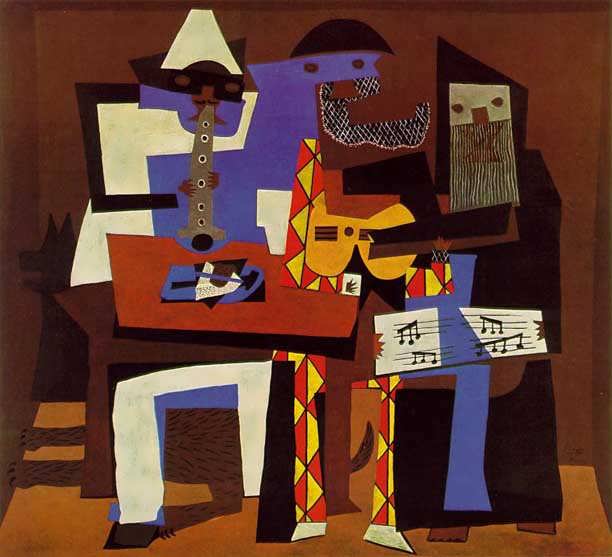
Ekphrasis is Greek for ‘description’. In literature it is used to refer to a detailed scene or a work of art.
More often than not ekphrasis is applied to conveying physical art through poetry. The most well-established example of this would be Ode to a Grecian Urn by John Keats:
When old age shall this generation waste,
Thou shalt remain, in midst of other woe
Than ours, a friend to man, to whom thou say’st,
“Beauty is truth, truth beauty,—that is all
Ye know on earth, and all ye need to know.”
That’s not a personal favourite; not immediately apparent about the connection between the poem and the art that inspired it. A more cogent example would be Anne Sexton’s verse about Van Gogh’s Starry Night:
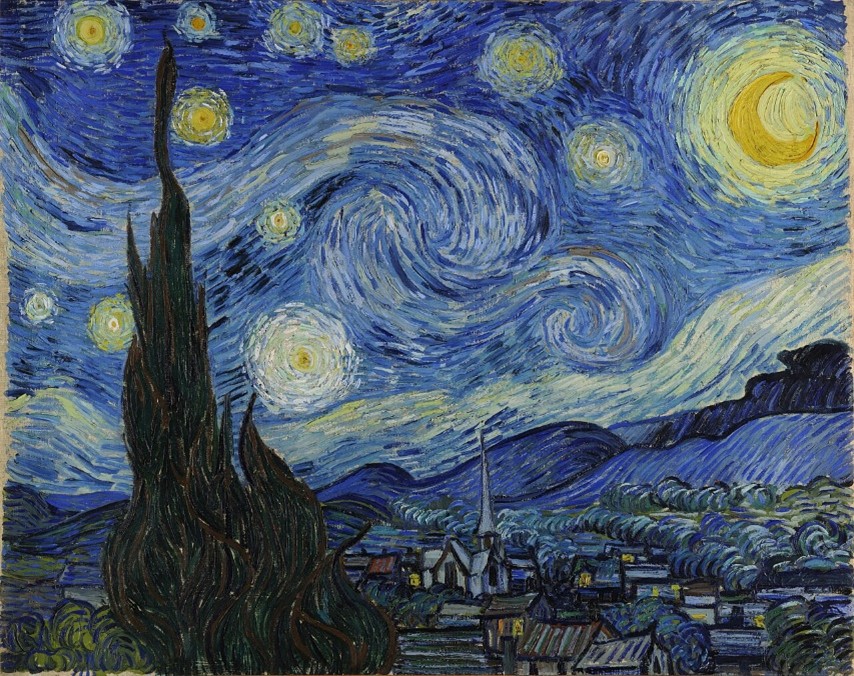
The town does not exist
except where one black-haired tree slips
up like a drowned woman into the hot sky.
The town is silent. The night boils with eleven stars.
Oh starry starry night! This is how
I want to die.
It moves. They are all alive.
Even the moon bulges in its orange irons
to push children, like a god, from its eye.
The old unseen serpent swallows up the stars.
Oh starry starry night! This is how
I want to die:
into that rushing beast of the night,
sucked up by that great dragon, to split
from my life with no flag,
no belly,
no cry.
Don McLean’s Vincent has similar ekphrastic origins with its opening lines: ‘Starry, Starry Night…’ Apparently he wrote this and the rest of the lyrics on a paper bag while looking at a print of Van Gogh’s famous painting.
There are a few other notable songs based on artwork including Mona Lisa by Nat King Cole and Coldplay’s Viva La Vida (based on Frida Karlo’s final artwork).
Also ekphrasis is becoming increasingly common in fiction writing as well. There are many competitions out there that offer stock photos of unusual and emotive scenes and challenge writers to pen flash fiction inspired by it.
You have probably attempted some form of ekphrasis in your creative life. Ever seen a painting, photo or sculpture that compelled you to write about it? Previous HAC members have even led workshops that feature writing about images. If you haven’t tried it yourself, now is your opportunity…
Workshop
Activity 1
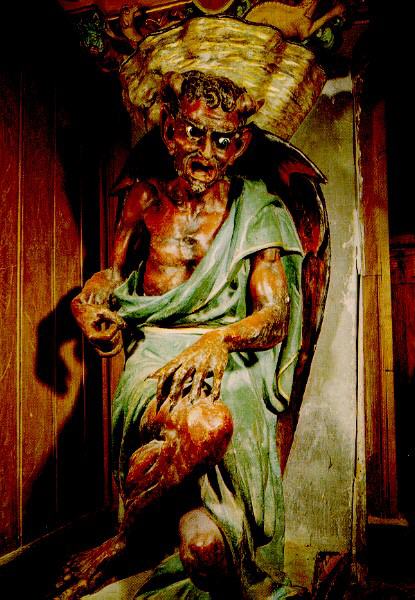
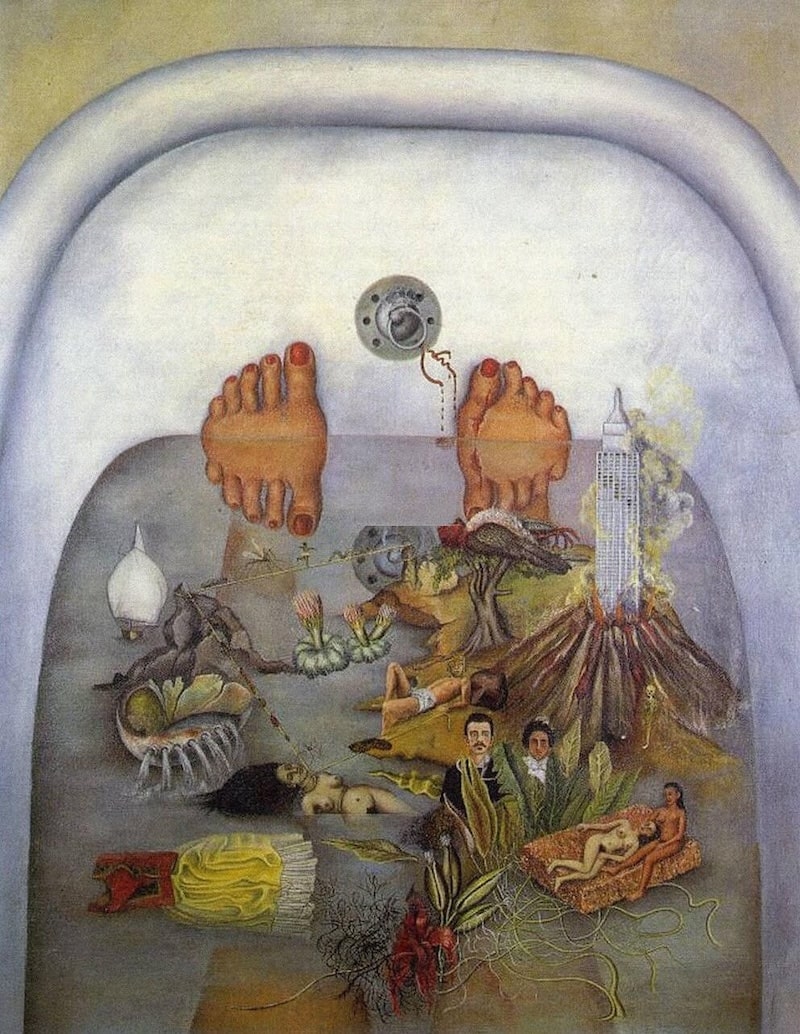
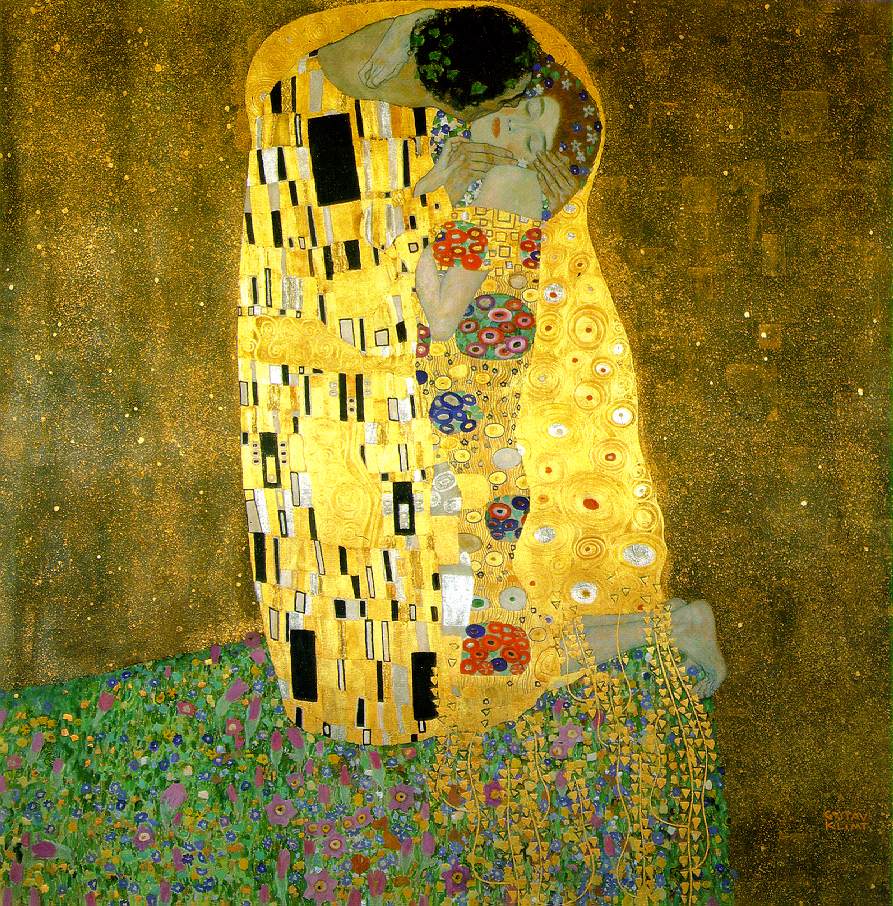
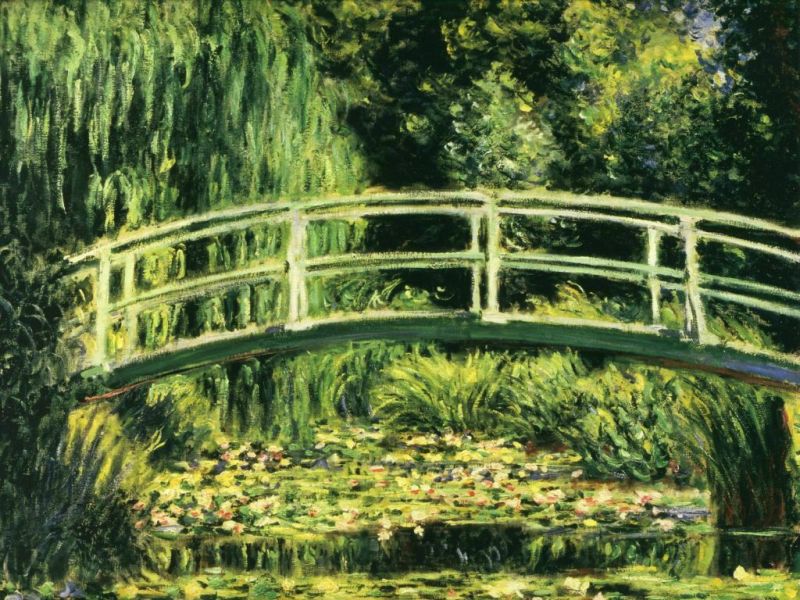
Below is a curated collection of well-known works of art. If none of them appeal, I recommend trying this randomizer site until you find a painting you prefer. Alternatively, if you’d prefer a photograph, flick through this relevant webpage from Digital Photo Mentor.
In any case, compose an ekphrastic piece of poetry or prose. Just get your key thoughts and feelings down in words. Write for fifteen minutes.
Activity 2
Time to add a second dimension to this ekphrasis or start fresh with another type of art. Choose one of the two following pieces of classical music:
How does it affect your writing? In any case, be mindful and see where it takes you.
Write for another ten minutes.
Art Work Featured (In Order)
The Three Musicians by Pablo Picasso (1921)
The Starry Night by Vincent Van Gogh (1889)
Asmodeo by Goya (1821)
What the Water Gave Me by Frida Kahlo (1938)
The Kiss by Gustav Klimt (1907-1908)
Nimphee by Claude Monet (1926)
Owen Townend – February 2026
 Huddersfield Authors Circle
Leave a comment